How UX and UI Design Can Transform
Your Website into an Engaging Business Hub
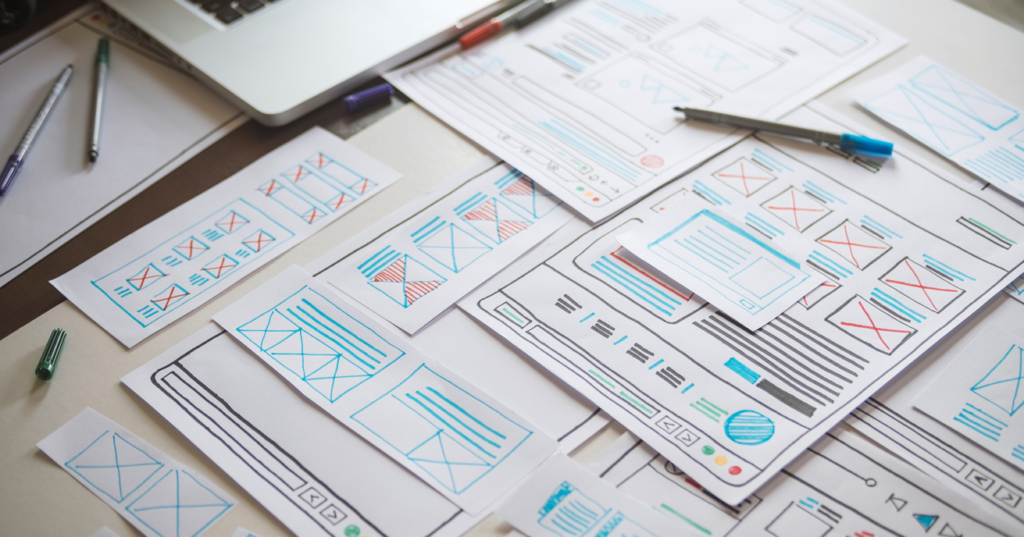
In the digital age, where your website is often the initial point of contact between your business and your audience, the significance of User Experience (UX) and User Interface (UI) design cannot be overstated. As I delve into the core of my discussion, it’s essential to recognize that the true transformation of your website into an engaging business hub lies within these design principles. In the following sections, I will explore why UX and UI design are vital, the benefits they bring, and the best practices to harness their full potential. From captivating user experiences to trust-building aesthetics, this is where the magic happens – where your website evolves from a passive entity into an active catalyst for growth.
Why UX and UI Design is Important
Your website is a dynamic stage where the spotlight shines on UX and UI design. These twin pillars have become paramount in shaping the first and lasting impressions that your online presence leaves. Basically, UX and UI design are vital because they create a seamless bridge between users and digital experiences, fostering a strong emotional connection. This emotional resonance is what drives users to not only engage with a website but also become loyal advocates, resulting in long-term brand success and growth.
Imagine your website as a canvas, and UX and UI design as the masterful strokes of a brush. Just as a meticulously crafted physical space draws and retains customers, a thoughtfully designed website accomplishes the same feat in the digital realm. UX and UI design are the artisans behind the scenes, weaving an environment that not only captures your audience’s attention but holds it, fostering sustained engagement.
The heart of this digital encounter lies in User Experience, and it goes beyond the superficial. UX encompasses the intricate dance of intuitive navigation, swift loading times, and overall usability. It’s the catalyst that transforms a fleeting visitor into a loyal patron, setting the stage for enduring connections.
On the other side of the spectrum, User Interface design reigns supreme, responsible for the visual and tactile elements of your website. It’s the area where aesthetics and functionality converge, creating a visual symphony. Elements like layout, color palettes, fonts, and imagery blend seamlessly to craft an interface that is not only cohesive but visually captivating.
The harmonious union of UX and UI design elevates not only aesthetics but also usability and accessibility. Users effortlessly find what they seek, their journey unhindered. Furthermore, the painstakingly crafted aesthetics, courtesy of UI design, contribute significantly to the overall allure of the site, etching a memorable experience in the minds of visitors.
Ultimately, your website is a powerful tool in realizing your business objectives. A well-optimized website transcends the boundaries of appearance; it performs exceptionally well. It serves as a catalyst for conversions, propelling sales, generating leads, nurturing customer loyalty, and spurring referrals. Your website evolves into a dynamic hub, actively fueling your business growth.
So, investing in these critical facets isn’t about creating a mere website; it’s about crafting an immersive and compelling experience that deeply resonates with your audience. In a digital landscape where first impressions leave a lasting mark, UX and UI design are your guiding stars, illuminating the path to engagement and success.
The Benefits of UX and UI Design for Your Website
Investing in UX and UI design isn’t just about creating a visually appealing website; it’s about reaping a host of benefits that can significantly impact your online success. Let’s dive into the advantages of prioritizing UX and UI design for your digital business hub:
- Reduced Bounce Rate
- Imagine your website as a welcoming storefront. If it’s cluttered, confusing, or unattractive, visitors are more likely to turn away and never return. With meticulous UX and UI design, you can make sure your virtual door is always open. Users are not only enticed to stay but eager to explore further, reducing the dreaded bounce rate.
- Increased Trust
- A professional, polished website instills trust in your audience. When visitors encounter a site that is well-designed, consistent, and easy to navigate, they are more likely to trust your brand and the products or services you offer. Trust is the cornerstone of successful online relationships.
- Enhanced SEO
- Search engines like Google prioritize user experience when ranking websites. By optimizing your website for user needs and preferences, you not only improve the experience for your visitors but also enhance your SEO performance. This means that more users will find your site through search engines, boosting your online visibility.
- Higher Retention
- User satisfaction breeds loyalty. When visitors have a satisfying and enjoyable experience on your website, they are more likely to return. This high retention rate can be a game-changer for your business, as repeat visitors often convert into loyal customers.
- More Referrals
- Word of mouth has always been a powerful marketing tool. When users are impressed by your website’s design and performance, they become your brand advocates. They are more likely to recommend your site to others, bringing in a stream of new visitors who are already inclined to trust your brand.
Best Practices for Achieving Successful UX and UI Design
Designing a website that truly engages your audience and serves as a thriving business hub involves adhering to best practices in UX and UI design. Here are the essential steps to guide you on this journey:
- Conduct User Research
- Begin by understanding your audience inside out. Who are they? What are their needs, expectations, pain points, and goals? In-depth user research is the foundation upon which you’ll build a website that resonates with your target audience.
- Define User Personas
- Based on your research, create detailed user personas. These are fictional but realistic profiles of your typical users, encompassing demographics, behaviors, motivations, and preferences. Personas ensure that your design caters to the people who matter most.
- Create User Journeys
- Map out the user journey on your website. Understand the steps users take to complete tasks or achieve goals, whether it’s browsing, searching, purchasing, or interacting with content. This insight guides you in crafting seamless user experiences.
- Design Wireframes
- Wireframes are like the blueprints of your website. They sketch out the fundamental structure and layout, showcasing key elements and features that users will interact with. It’s the skeletal framework upon which your design will be built.
- Design Mockups
- Once the wireframes are in place, it’s time to breathe life into them. Design mockups add visual details and styles that align with your brand guidelines. Choose colors, fonts, images, icons, and other elements that convey your brand identity.
- Test Prototypes
- Building interactive prototypes allows users to click through and provide feedback. Tools like Figma or Adobe XD can be invaluable here. User testing at this stage helps you fine-tune your design based on real interactions and preferences.
- Iterate and Improve
- The design process doesn’t end with the first draft. Continuously analyze the results of user testing and gather data on how visitors interact with your site. Use this information to make iterative improvements until you arrive at the optimal solution.
By following these best practices, you not only create a visually stunning website but one that resonates deeply with your audience, driving engagement and fulfilling your business objectives.
As I conclude my exploration of how UX and UI design can transform your website into an engaging business hub, I invite you to embark on an ongoing journey. Remember, your website is not a static entity but a dynamic reflection of your brand’s commitment to excellence and user-centricity.
Your website has the potential to be an ever-evolving masterpiece, continually captivating your audience, fostering trust, and driving business growth. How you harness the power of UX and UI design will shape the future of your online presence.
So, as you move forward, ask yourself: How can you further engage your audience? What innovative design elements can you incorporate? How can you make your website not just a destination but an experience?
The journey with UX and UI design is an open road, and the possibilities are endless. It’s time to write the next chapter of your website’s story.